
© 2026 J King Images. All rights reserved
Privacy Policy
Terms & Conditions
Designed & developed by Technical Resource Solutions
Contact
Subscribe
Get monthly updates from J King Images right in your inbox.
In a world where everyone has a decent camera in their pocket, it's easy to think a quick selfie or cropped photo from an event is "good enough" for your LinkedIn profile, website, or creative portfolio.
But here's the thing: your headshot is often your first impression before you ever shake someone's hand, answer an email, walk into an interview, or meet a client. And whether we like it or not, people make decisions quickly. A professional headshot helps make sure the first thing they see is polished, confident, approachable, and intentional.
A selfie can be fun! They can be casual, and they absolutely belong on your personal social media. But when it comes to your professional image, it does not tell the full story. Bad lighting, awkward angles, distracting backgrounds, low resolution, harsh shadows, or overly filtered images can make your photo feel less credible, even if you are great at what you do.
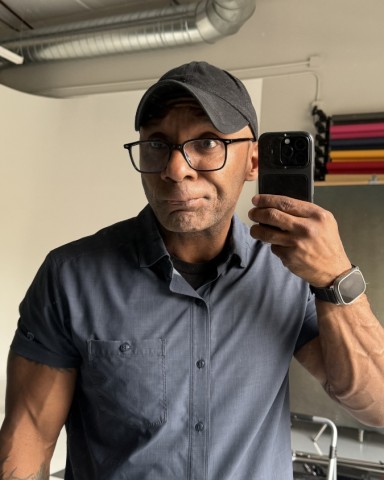
A professional headshot is different because every detail is created with purpose. The lighting is designed to flatter your face. The background supports the image without distracting from you. The posing is guided so you do not feel stiff, uncomfortable, or unsure what to do with your hands. The expression is natural, not forced. The final image looks like you on your best, most confident day.
When you hire a professional photographer, you are paying for more than the camera. You are paying for experience, direction, and the ability to create an image that looks intentional, polished, and trustworthy.
A professional knows how to adjust the small things most people do not think about — your posture, expression, angle, background, shadows, clothing, and overall feel of the image. That is the difference between a photo that is "fine" and a headshot that actually works for your brand.
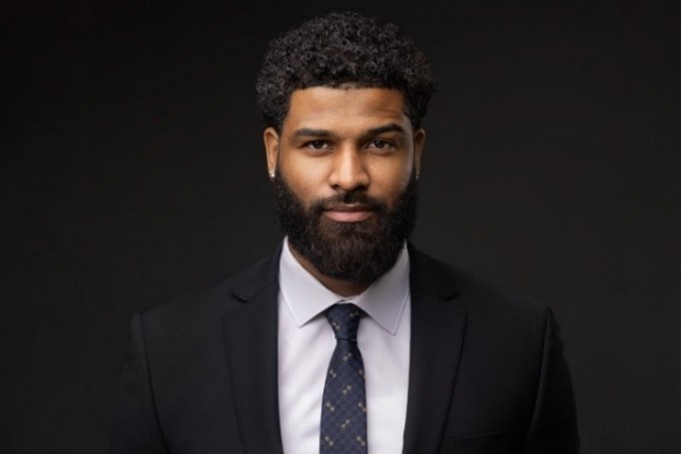
What you wear matters, too. Clothing can either support your headshot or distract from it.
For the best results, choose solid, muted tones and avoid bold prints or loud patterns. Fit is also important. Tailored clothing usually photographs better than anything oversized, bulky, or too relaxed. You do not have to dress too formally, but you should dress like you would for an important meeting in your industry.
Keep jewelry simple, avoid anything that pulls attention away from your face, and consider bringing two or three outfit options. A little preparation before your session can make a big difference in how confident and polished your final images feel.
These details matter whether you are a realtor, actor, creative, corporate professional, or someone just updating your LinkedIn profile. Your headshot should communicate your personality before someone even reads your bio.
Professional headshots are also incredibly useful across your entire brand. One strong image can be used on your website, email signature, social media, business cards, resumes, or marketing pieces. When your images are consistent and high-quality, your personal brand feels more established and easier to recognize.
And no, you do not have to look overly corporate or fake. The best headshots feel like you. They should capture your personality, your confidence, and the energy you want people to feel when they work with you.
At J King Images, professional headshots are not about making you look like someone else. They are about helping you look like the strongest, clearest version of yourself. Because your image is part of your brand, it should be working for you.
© 2026 J King Images. All rights reserved
Privacy Policy
Terms & Conditions
Designed & developed by Technical Resource Solutions
Get monthly updates from J King Images right in your inbox.